
Navigating your Hydrabath pump’s functionality begins with understanding its manual; a crucial guide for optimal performance and longevity, ensuring a seamless experience.
What is a Hydrabath Pump?
Hydrabath pumps are specialized systems designed for fluid transfer, often utilized in recreational or therapeutic applications. These pumps circulate water, creating jets or flows for various purposes. Understanding the specific model is key, as variations exist in power, flow rate, and intended use. Batocera.linux, while unrelated to the pump itself, highlights the importance of system compatibility. Proper operation relies on correct installation and adherence to safety guidelines detailed within the accompanying manual, ensuring efficient and reliable performance.
Importance of the Manual
The Hydrabath pump manual is paramount for safe and effective operation. It details crucial installation procedures, troubleshooting steps, and maintenance schedules. Ignoring the manual can lead to damage, void warranties, or even pose safety risks. Like Batocera’s documentation, a clear guide simplifies complex processes. Familiarizing yourself with the manual ensures optimal performance, extends the pump’s lifespan, and allows for confident problem-solving, mirroring the ease of adding ROMs and BIOS files.
Locating the Hydrabath Pump Manual PDF
Finding the PDF manual involves checking the official Hydrabath website, exploring third-party databases, or utilizing targeted search engine queries for access.
Official Hydrabath Website
The primary source for your Hydrabath pump manual PDF is the official Hydrabath website. Navigate to their support or downloads section, often categorized by product model. Look for a dedicated area for documentation, where manuals are typically available for direct download in PDF format. Ensure you select the manual corresponding to your specific pump model number for accurate instructions and troubleshooting guidance. This guarantees you receive the most current and reliable information directly from the manufacturer, avoiding potentially outdated or inaccurate resources found elsewhere.
Third-Party Manual Databases
Several online databases specialize in collecting and archiving user manuals, potentially hosting your Hydrabath pump manual PDF. Websites like ManualsLib or similar platforms may contain scanned or digitally submitted versions. However, exercise caution when using these sources, verifying the manual’s authenticity and compatibility with your specific pump model. Cross-reference information with the official Hydrabath website whenever possible to ensure accuracy and avoid relying on potentially outdated or incorrect documentation.
Search Engine Strategies (Google, Bing)
Employing targeted search terms is key. Use phrases like “Hydrabath pump model [your model number] manual PDF” or “Hydrabath pump user guide download.” Refine searches with specific keywords like “installation,” “troubleshooting,” or “parts list.” Explore image search for potential manual snippets. Scan the first few pages of results carefully, prioritizing official Hydrabath links or reputable documentation sites. Regularly update your searches, as new resources become available online.

Understanding the Manual’s Structure
Expect a detailed table of contents, safety warnings, and component diagrams; these sections provide essential information for safe installation and effective pump operation.
Table of Contents Overview
The manual’s table of contents serves as a roadmap, guiding users through sections covering installation, operation, troubleshooting, and maintenance. Expect chapters dedicated to component identification, plumbing connections, and electrical specifications. A well-organized table of contents allows for quick access to specific information, streamlining the user experience and facilitating efficient problem-solving. It typically includes page numbers for easy navigation, ensuring users can swiftly locate relevant details regarding their Hydrabath pump system.
Safety Precautions and Warnings
Prioritize safety by carefully reviewing the manual’s dedicated section. It details critical warnings regarding electrical hazards, proper grounding procedures, and potential risks associated with water and pump operation. Adherence to these guidelines prevents damage to the equipment and, more importantly, safeguards against personal injury. Always disconnect power before maintenance, and never operate a damaged pump – heed all cautions!
Component Identification
The manual features detailed diagrams illustrating each pump component, from the motor housing and impeller to plumbing connections and control panels. Clear labeling allows for easy identification during installation, maintenance, and troubleshooting. Familiarizing yourself with these parts streamlines repairs and ensures you use the correct terminology when seeking assistance or replacement parts, maximizing efficiency.

Installation and Setup
Proper installation, guided by the manual, is vital for optimal pump performance and longevity; carefully follow each step for a secure setup.
Unboxing and Initial Inspection
Upon receiving your Hydrabath pump, carefully unpack all components, referencing the manual’s parts list to ensure everything is present. Thoroughly inspect the pump, plumbing connections, and any included accessories for shipping damage. Note any scratches, dents, or missing parts immediately and contact the seller or Hydrabath support. Verify the pump’s model number matches your order and the manual’s specifications. Retain the original packaging for potential returns or warranty claims, as instructed within the documentation.
Mounting the Pump
Securely mounting the Hydrabath pump is vital for stable operation and preventing vibrations. Consult the manual for recommended mounting locations and hardware. Ensure the surface is level and capable of supporting the pump’s weight, even when filled with fluid. Use appropriate vibration dampeners, if suggested, to minimize noise. Follow the manual’s guidelines for proper alignment with plumbing connections, avoiding strain on pipes or the pump itself. Double-check all mounting points for tightness before operation.
Plumbing Connections
Establishing correct plumbing connections is essential for leak-free operation. The manual details specific pipe sizes and fitting types compatible with your Hydrabath pump. Utilize Teflon tape or pipe sealant on threaded connections to ensure a watertight seal. Carefully align pipes to avoid stress on the pump’s inlets and outlets. Before powering on, thoroughly inspect all connections for leaks and tighten as needed.

Operation Instructions
Proper pump operation involves understanding power controls, setting adjustments, and adhering to standard procedures for consistent, reliable performance as outlined in the manual.
Powering On/Off the Pump
Before initiating operation, verify the power source aligns with the pump’s specifications detailed within the manual. To power on, locate the designated power switch – typically found on the pump housing or control panel – and toggle it to the ‘ON’ position. A visual or auditory indicator confirms activation.
For shutdown, reverse this process, switching to ‘OFF’. Always ensure complete cessation of operation before performing maintenance or addressing any issues. Disconnecting the power source provides an additional safety measure;
Adjusting Pump Settings
The Hydrabath pump manual details adjustable settings for customized operation. These may include flow rate, timer functions, and potentially remote control configurations. Access these settings via the control panel or, if equipped, a dedicated settings menu.
Carefully review the manual’s instructions for each setting, understanding its impact on pump performance. Incremental adjustments are recommended to achieve desired results, avoiding abrupt changes that could affect system stability.
Normal Operating Procedures
Following the Hydrabath pump manual’s guidelines ensures safe and efficient operation; Typically, this involves powering on the pump, verifying proper water flow, and monitoring for any unusual noises or vibrations.
Regularly inspect connections for leaks and maintain a clean operating environment. The manual will outline expected performance parameters, allowing you to identify deviations and address potential issues promptly, maximizing the pump’s lifespan.

Troubleshooting Common Issues
Refer to the manual for solutions to problems like pump failure, low pressure, or strange sounds; it provides diagnostic steps and fixes.
Pump Not Starting
If the Hydrabath pump fails to initiate, the manual directs users to first verify the power supply connection, ensuring it’s securely plugged in and the circuit breaker hasn’t tripped. Next, check for any obstruction within the pump housing or plumbing lines that might impede operation. The manual also details resetting procedures and suggests inspecting the pump’s internal components for potential malfunctions, guiding users through basic troubleshooting steps before seeking professional assistance. Always prioritize safety and disconnect power before any inspection.
Low Water Pressure
Addressing diminished water pressure, the Hydrabath pump manual instructs users to initially examine the inlet for blockages, like debris or closed valves. It emphasizes checking the filter for clogging and recommends a thorough cleaning or replacement. The manual further advises verifying the pump’s settings and ensuring proper priming has occurred, detailing procedures for restoring optimal pressure. If issues persist, it suggests inspecting plumbing for leaks or restrictions.
Unusual Noises
Concerning atypical sounds emanating from the Hydrabath pump, the manual directs users to first power down the unit and inspect for loose components or obstructions. It highlights potential cavitation caused by air in the system, advising proper priming. The manual details checking for bearing wear and suggests lubrication as needed. If noises continue, it recommends contacting qualified service personnel for diagnosis and repair, avoiding self-intervention.
Maintenance and Care
Regular cleaning, filter replacements, and proper lubrication—as detailed in the manual—are vital for maintaining peak Hydrabath pump performance and extending its lifespan.
Cleaning the Pump
To ensure optimal performance and longevity, regularly clean your Hydrabath pump following the manual’s guidelines. Disconnect the power supply before commencing any cleaning procedures. Gently wipe down the pump’s exterior with a soft, damp cloth, avoiding abrasive cleaners. Inspect and clear any debris from intake filters, as blockages can reduce efficiency. The manual provides specific instructions regarding disassembly for thorough cleaning, if required, and emphasizes the importance of completely drying all components before reassembly to prevent damage or malfunction.
Filter Replacement
The Hydrabath pump manual details crucial filter replacement procedures for maintaining water quality and pump efficiency. Regularly replacing filters prevents debris buildup, ensuring consistent performance. The manual specifies filter types and replacement intervals. Always disconnect power before accessing the filter compartment. Follow the illustrated steps for safe removal and installation of new filters, ensuring a secure fit to prevent leaks. Proper filter maintenance, as outlined in the manual, extends the pump’s lifespan and optimizes its functionality.
Lubrication Guidelines
The Hydrabath pump manual provides specific lubrication guidelines to ensure smooth operation and prevent wear. It details recommended lubricant types and application points within the pump system. Following these guidelines minimizes friction, reduces noise, and extends component life. The manual emphasizes the importance of using compatible lubricants to avoid damage. Regular lubrication, as instructed, maintains optimal pump performance and prevents costly repairs, contributing to long-term reliability.

Advanced Settings & Customization
The manual details flow rate adjustments, timer settings, and remote control operation, allowing users to personalize their Hydrabath pump experience for optimal control.
Flow Rate Adjustment
Hydrabath pump manuals comprehensively explain flow rate adjustment procedures, vital for tailoring water pressure to specific needs. Users can typically modify flow via dedicated controls or settings within the pump’s interface. The manual illustrates how to incrementally increase or decrease flow, ensuring optimal performance for various applications.
Understanding the pump’s capacity and the requirements of connected fixtures is crucial. Incorrect settings can lead to inefficient operation or damage. Always consult the manual for recommended flow rates and safety guidelines before making adjustments.
Timer Settings
Hydrabath pump manuals detail timer functionalities, allowing automated operation based on pre-set schedules. Users can program the pump to activate and deactivate at specific times, optimizing energy consumption and convenience. The manual guides through setting start/stop times, durations, and recurring schedules.
Proper timer configuration ensures the pump operates only when needed, preventing unnecessary wear and tear. Always refer to the manual for detailed instructions and safety precautions regarding timer usage and potential limitations.
Remote Control Operation
The Hydrabath pump manual explains remote control features, if equipped, offering convenient operation from a distance. It details button functions for power, speed adjustments, and potentially, timer settings or custom profiles. Pairing instructions and troubleshooting tips for remote connectivity are also included.
Ensure the remote has fresh batteries and a clear line of sight to the pump’s receiver for optimal performance. Refer to the manual for specific remote model details and safety guidelines.

Hydrabath Pump Systems Compatibility
The manual details compatible systems like Bananapi-M7, Firefly-Station models, and others, ensuring proper integration and optimal performance within your setup.
Bananapi-M7
For Bananapi-M7 users, the manual provides specific guidance on installation, configuration, and troubleshooting tailored to this particular system. It addresses potential compatibility concerns and outlines optimal settings for achieving peak performance with the Hydrabath pump. Detailed instructions cover software requirements, driver installations, and any necessary adjustments to ensure seamless operation. The manual also includes a dedicated section for resolving common issues encountered specifically on the Bananapi-M7 platform, offering step-by-step solutions to maximize user experience and system stability.
Firefly-Station-M2
The Hydrabath pump manual offers specialized support for Firefly-Station-M2 integration, detailing unique setup procedures and optimal configurations. It addresses potential hardware and software conflicts, providing clear instructions for resolving compatibility issues. Users will find guidance on maximizing pump performance within the Firefly-Station-M2 environment, including specific settings and troubleshooting steps. The manual ensures a smooth and efficient experience, tailored to the distinct characteristics of this platform, enhancing overall system functionality and reliability.
Firefly-Station-M3
The Hydrabath pump manual provides comprehensive guidance for Firefly-Station-M3 users, outlining specific installation protocols and configuration settings. It details optimized performance parameters for this platform, addressing potential compatibility concerns with its unique architecture. Troubleshooting sections offer solutions for common issues encountered during integration, ensuring a seamless user experience. The manual emphasizes maximizing pump efficiency within the Firefly-Station-M3 ecosystem, delivering reliable operation and enhanced system stability for optimal results.
Software & Updates (Related to Batocera)
Batocera’s open-source nature allows for continuous improvement, with regular updates delivering bug fixes, new features, and enhanced system performance for users.
Batocera Installation
Initiating your retro gaming journey starts with a straightforward Batocera installation process. Simply download the appropriate image for your hardware – be it a USB stick or SD card. The distribution is designed to transform any compatible computer or nano computer into a dedicated gaming console.
During boot, UEFI or Legacy options may appear; selecting UEFI is generally recommended if available. However, Legacy (MBR) may be necessary depending on your system’s configuration; Following these steps will ensure a smooth and successful Batocera setup.
Adding ROMs and BIOS Files
Once Batocera is installed, enriching your gaming library involves transferring ROMs and essential BIOS files. These files are crucial for emulating various consoles and platforms supported by Batocera. Ensure compatibility by verifying the required BIOS files for each system you intend to emulate.
Properly organized ROM directories streamline the scraping process, enhancing metadata retrieval and game presentation within the Batocera interface, creating a polished retro gaming experience.
Batocera System Support
Batocera boasts extensive support for numerous consoles, platforms, and emulation applications. Systems are uniquely identified within Batocera, facilitating organization and compatibility. This broad support encompasses a diverse range of gaming experiences, from classic arcade titles to modern console games.
The distribution continually expands its system library, ensuring a comprehensive retro-gaming solution for enthusiasts seeking to relive their favorite gaming memories.
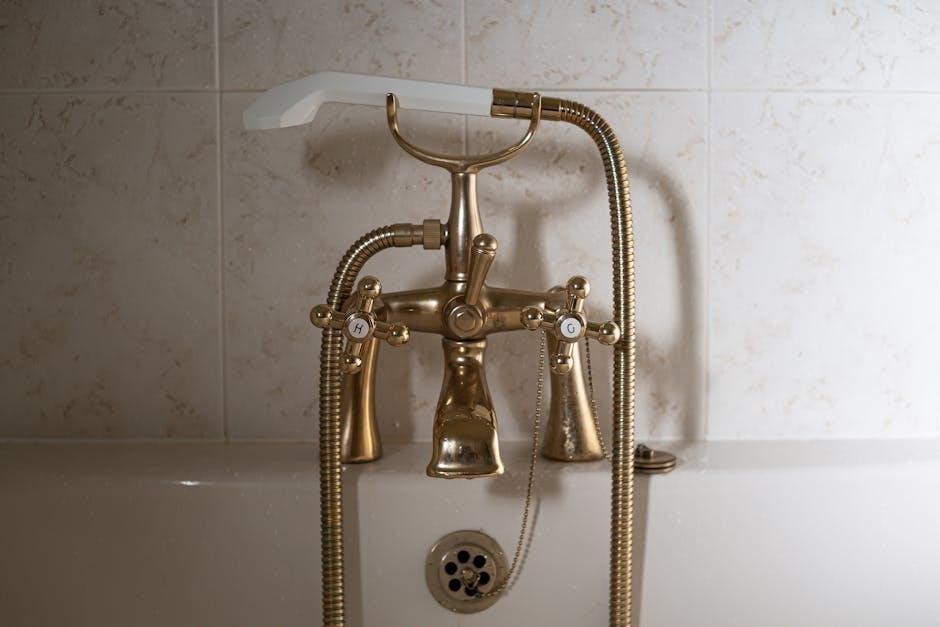
Batocera Release Information
Batocera offers two primary branches: Stable, for reliable performance, and Butterfly, providing the latest updates and features for advanced users seeking innovation.
Stable Version
The Stable version of Batocera represents the most rigorously tested and dependable release, specifically recommended for the majority of users prioritizing a smooth and trouble-free retro gaming experience. It benefits from extensive quality assurance, minimizing potential bugs and ensuring compatibility across a broad spectrum of hardware.
This branch receives fewer frequent updates compared to Butterfly, focusing instead on delivering a consistently reliable platform. Users seeking maximum stability and ease of use should always opt for the Stable release.
Butterfly Version
The Butterfly version embodies Batocera’s cutting edge, offering the most current features, system support, and performance enhancements. It’s geared towards enthusiasts eager to explore the latest developments and contribute to the project’s evolution through testing and feedback.
However, this branch inherently carries a higher risk of encountering bugs or instability due to its rapid development cycle; it’s not recommended for casual users.
Batocera Services & Configuration
Custom scripts are now deprecated; utilize the /userdata/system/services directory and configure services within batocera.conf for optimal functionality.
Custom Script Deprecation
Historically, users employed custom .sh scripts for Batocera service implementation. However, this method is becoming obsolete. Future Batocera versions will likely remove support for these scripts entirely, streamlining the system and enhancing stability. Therefore, migrating your custom services to the designated /userdata/system/services directory is strongly advised. This ensures continued functionality and compatibility with upcoming releases, preventing disruptions to your retro-gaming experience. Enable these services through the batocera.conf file for seamless integration.
Services Directory (/userdata/system/services)
The /userdata/system/services directory represents the modern, recommended approach for implementing custom services within Batocera. This centralized location offers improved organization and compatibility. Place your service scripts within this directory, ensuring they possess appropriate execution permissions. Subsequently, activate these services by configuring the batocera.conf file, establishing a reliable and future-proof system for personalized enhancements and automated tasks within your retro gaming environment.

New Batocera Versions & Updates
Regular releases deliver crucial bug fixes, introduce exciting new features, and enhance overall system performance, continually improving the user experience.
Bug Fixes and New Features
Each Batocera update addresses reported issues, enhancing stability and resolving glitches for smoother gameplay. New features frequently expand system compatibility, adding support for additional consoles and emulation-related applications. These improvements often include performance optimizations, resulting in faster loading times and reduced latency. Updates also refine the user interface, making navigation more intuitive and accessible. Expect enhancements to core emulation engines, improving accuracy and visual fidelity, alongside expanded controller support for a wider range of input devices.
Theme and Bezel Updates
Batocera’s vibrant community consistently contributes new themes and bezels, dramatically altering the visual presentation of your retro gaming experience. These updates offer diverse aesthetic options, from classic console recreations to modern, minimalist designs. Bezels enhance immersion by framing games with authentic cabinet artwork. Downloading and applying these customizations is straightforward, allowing users to personalize their Batocera setup. Regular updates ensure a constantly evolving library of visual enhancements, keeping the interface fresh and engaging.