
Embarking on a pescatarian journey for weight loss combines plant-based nutrition with the benefits of fish and seafood. This approach offers a flexible and sustainable path towards achieving your health goals, emphasizing balanced meals and mindful eating.
What is a Pescatarian Diet?
A pescatarian diet is fundamentally a plant-based eating pattern with the inclusion of fish and seafood. It’s often described as a “flexible vegetarian” approach, excluding red meat and poultry, but embracing aquatic protein sources. This dietary style emphasizes whole foods – vegetables, fruits, whole grains, legumes, nuts, and seeds – alongside the nutritional benefits derived from fish like salmon, mackerel, and cod.
The term itself, originating from the Italian word “pesce” meaning fish, reflects this core principle. While variations exist, a typical pescatarian avoids wild game, yet commonly includes dairy and eggs. It’s a conscious choice, often driven by health, ethical, or environmental considerations, offering a balanced and versatile way to nourish the body.
Benefits of a Pescatarian Diet for Weight Loss
A pescatarian diet presents several advantages for those aiming to lose weight. The inclusion of fish provides lean protein, promoting satiety and helping to preserve muscle mass during calorie restriction. Crucially, fatty fish are rich in omega-3 fatty acids, known to support heart health and potentially reduce inflammation, aiding overall well-being.
This dietary pattern naturally emphasizes whole, unprocessed foods, reducing the intake of calorie-dense, nutrient-poor options. Furthermore, it can contribute to environmental sustainability, aligning with ethical eating practices. By prioritizing plant-based foods and incorporating seafood, a pescatarian approach fosters a balanced and sustainable path to weight management.
Pescatarian vs. Other Diets
Compared to strict vegetarian or vegan diets, a pescatarian approach offers the added benefit of readily available animal protein and essential omega-3 fatty acids from fish. Unlike traditional Western diets high in red and processed meats, pescatarianism inherently limits these less healthy options.
It provides more flexibility than some diets, potentially improving adherence. Compared to paleo or keto diets, it emphasizes whole grains and fruits, offering a broader nutrient profile. While similar to the Mediterranean diet, pescatarianism specifically excludes poultry and red meat. Ultimately, its balance of plant-based foods and seafood makes it a sustainable and health-conscious choice.
Core Principles of a Pescatarian Weight Loss Plan
A successful plan centers on whole, unprocessed foods, prioritizing lean proteins from the sea, and incorporating healthy fats like omega-3s for optimal health and weight management.
Focus on Whole, Unprocessed Foods
The cornerstone of effective pescatarian weight loss lies in prioritizing whole, unprocessed foods. This means building your meals around fruits, vegetables, whole grains like quinoa and brown rice, and legumes. These foods are naturally lower in calories and rich in essential nutrients, fiber, and antioxidants. Minimizing processed foods – those laden with added sugars, unhealthy fats, and sodium – is crucial.
Focus on preparing meals from scratch whenever possible, allowing you to control ingredients and portion sizes. Embrace vibrant, colorful produce, and explore diverse cooking methods like baking, grilling, or steaming to retain nutrients and enhance flavor. Remember, a diet rich in whole foods provides sustained energy and supports long-term weight management, fostering a healthier relationship with food.
Prioritizing Lean Protein Sources
Protein is vital for weight loss, promoting satiety, preserving muscle mass, and boosting metabolism. Within a pescatarian framework, lean fish like cod, haddock, and tilapia should be staples. Fatty fish – salmon, mackerel, and sardines – offer the added benefit of omega-3 fatty acids, supporting heart and brain health.
Complement fish with plant-based proteins such as legumes (beans, lentils, chickpeas) and tofu. These provide fiber and essential nutrients. Aim to include a protein source in every meal to help control appetite and maintain energy levels. Properly portioned protein intake is key; focus on moderate servings to support weight loss without overconsumption.
The Role of Healthy Fats (Omega-3s)
Omega-3 fatty acids, abundant in fatty fish like salmon, mackerel, and sardines, are crucial for a pescatarian weight loss plan. These fats aren’t just about heart health; they also reduce inflammation, potentially aiding weight management. Incorporating these fats supports overall well-being during dietary changes.
Beyond fish, include sources like flaxseeds, chia seeds, and walnuts in moderation. While beneficial, remember that fats are calorie-dense. Prioritize omega-3 rich fish several times a week, balancing intake with other healthy fat sources. A mindful approach to fat consumption is essential for achieving sustainable weight loss results.

Sample 7-Day Pescatarian Weight Loss Meal Plan
This plan offers a template for a week of nutritious, balanced meals, emphasizing fish, plant-based foods, and healthy fats to support your weight loss journey.
Day 1: Kickstarting Your Plan

Begin your pescatarian weight loss journey with a focus on lean protein and vibrant flavors. Start with a breakfast of Greek yogurt topped with berries and a sprinkle of chia seeds – providing sustained energy. For lunch, enjoy a large salad with grilled salmon, mixed greens, and a light vinaigrette dressing. This delivers essential omega-3 fatty acids.
Dinner should feature baked cod with roasted vegetables like broccoli, bell peppers, and sweet potatoes. A side of quinoa completes the meal, offering complex carbohydrates. Throughout the day, prioritize hydration with water and herbal teas. Avoid sugary drinks and processed snacks to maintain a calorie deficit and support your weight loss goals. This initial day sets a positive tone for the week ahead.
Day 2: Balancing Flavors and Nutrients
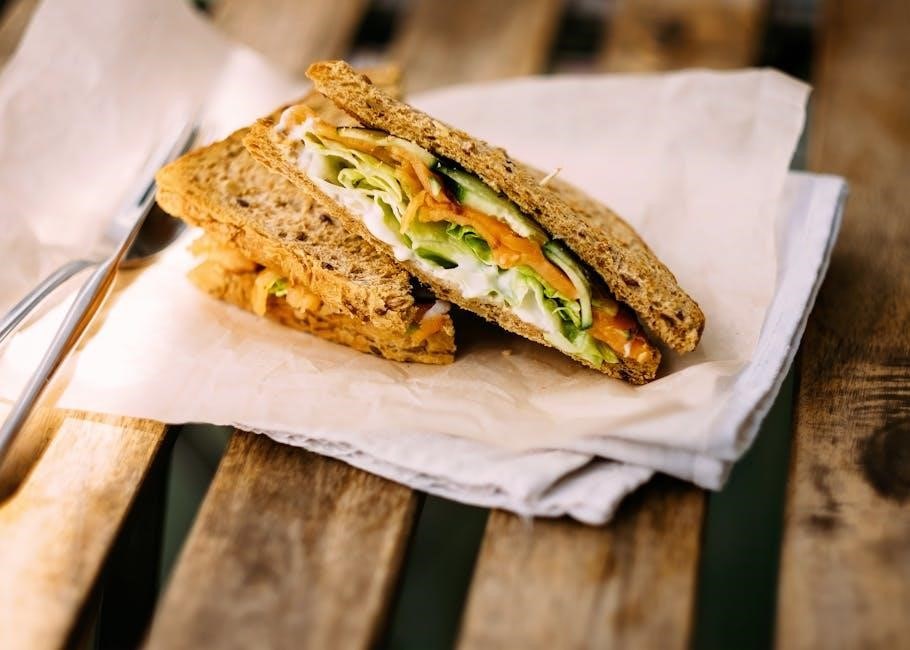
Continue building momentum with a day focused on diverse nutrients and satisfying tastes. Begin with oatmeal prepared with almond milk, topped with sliced banana and walnuts – a hearty and fiber-rich breakfast. Lunch features a tuna salad sandwich on whole-grain bread, accompanied by a side of carrot sticks and hummus. Ensure the tuna is sustainably sourced.
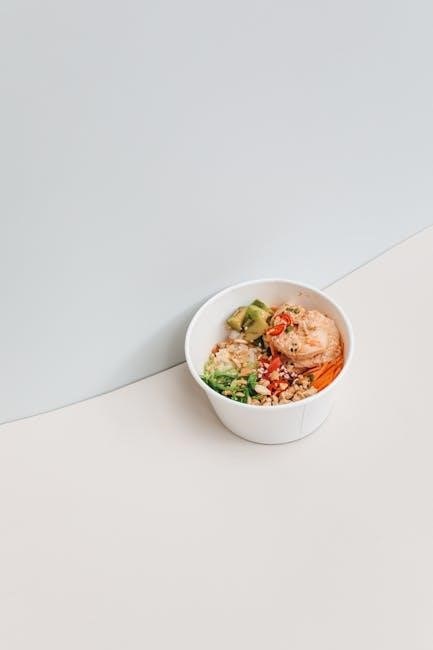
For dinner, savor shrimp stir-fry with brown rice and an abundance of colorful vegetables like snap peas, carrots, and mushrooms. Season with ginger and garlic for added flavor. Prioritize portion control and mindful eating throughout the day. Hydrate consistently and avoid processed foods to maintain a healthy calorie balance and support your weight loss objectives.
Day 3: Incorporating Variety
Expand your palate and nutrient intake with a day dedicated to diverse pescatarian options. Start with a Greek yogurt parfait layered with berries and a sprinkle of chia seeds – a protein-packed breakfast. For lunch, enjoy a salmon salad with mixed greens, avocado, and a light lemon vinaigrette. Salmon provides essential omega-3 fatty acids.
Dinner showcases baked cod with roasted asparagus and quinoa. Season the cod with herbs and spices for a flavorful experience. Remember to drink plenty of water throughout the day and limit sugary beverages. Variety ensures you receive a broad spectrum of vitamins and minerals, supporting both weight loss and overall health.
Day 4: Mid-Week Energy Boost
Combat mid-week fatigue with energizing pescatarian meals. Begin your day with oatmeal topped with sliced banana and walnuts – a complex carbohydrate source for sustained energy. Lunch features a tuna salad sandwich on whole-grain bread, paired with a side of carrot sticks. Tuna is a lean protein source, crucial for satiety;
For dinner, savor shrimp stir-fry with brown rice and a medley of colorful vegetables like broccoli, peppers, and snap peas. This provides vital nutrients. Hydrate consistently with water and herbal teas. Prioritize portion control to maintain a calorie deficit and support your weight loss journey.
Day 5: Seafood Spotlight
Today, celebrate the heart-healthy benefits of seafood! Start with smoked salmon and avocado on whole-wheat toast for breakfast, providing omega-3 fatty acids and healthy fats. Lunch consists of a cod fillet baked with lemon and herbs, served alongside a quinoa salad with mixed greens and cherry tomatoes. Cod is a lean protein source.
Dinner features a flavorful mackerel dish, grilled and accompanied by roasted asparagus and sweet potato. Mackerel is rich in omega-3s, supporting eye and heart health. Remember to drink plenty of water throughout the day and focus on mindful eating to maximize your weight loss efforts.
Day 6: Plant-Based Power
Shift the focus to the vibrant world of plant-based nutrition today! Begin with a tofu scramble with spinach and mushrooms, offering a protein-packed and fiber-rich start. For lunch, enjoy a hearty lentil soup with a side of whole-grain bread – legumes are excellent protein sources.
Dinner features a black bean burger on a whole-wheat bun, topped with avocado and salsa, alongside a colorful side salad. Prioritize variety in your vegetable intake. Remember to stay hydrated and practice portion control to support your weight loss journey. Embrace the power of plants for sustained energy and optimal health!
Day 7: Sustainable Habits
Today is about solidifying your newfound healthy habits! Start with overnight oats made with almond milk, berries, and a sprinkle of chia seeds – a convenient and nutritious breakfast. Lunch consists of a quinoa salad with chickpeas, cucumber, and a lemon-tahini dressing, providing sustained energy.
For dinner, savor baked cod with roasted vegetables like broccoli and sweet potatoes. Reflect on the week, identifying what worked well and areas for improvement. Continue prioritizing hydration, mindful eating, and sustainable seafood choices. This isn’t a diet, but a lifestyle!

Key Foods to Include in Your Pescatarian Diet
Prioritize fatty fish, lean fish, plant proteins, whole grains, and a colorful array of fruits and vegetables for optimal nutrition and sustained energy.
Fatty Fish (Salmon, Mackerel, Sardines)
Fatty fish like salmon, mackerel, and sardines are nutritional powerhouses, central to a successful pescatarian weight loss plan. They are exceptionally rich in omega-3 fatty acids, known for their heart-health benefits and potential to reduce inflammation. These essential fats also contribute to improved eye health and may even lower cancer risk.
Beyond omega-3s, fatty fish provide high-quality protein, crucial for satiety and muscle maintenance during weight loss. Incorporating these fish 2-3 times per week supports a balanced diet. Consider grilling, baking, or steaming to preserve their nutritional value and avoid added fats. Sustainable sourcing is also key, opting for locally caught or responsibly farmed options whenever possible.
Lean Fish (Cod, Haddock, Tilapia)
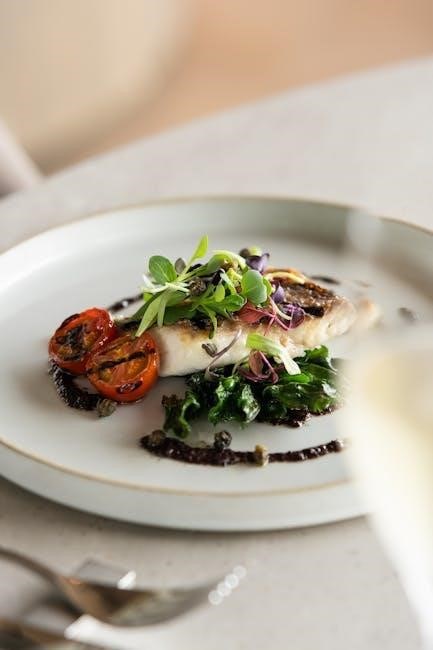
Lean fish, such as cod, haddock, and tilapia, are excellent protein sources for a pescatarian weight loss diet, offering a lower-fat alternative to their fattier counterparts. They provide essential amino acids vital for muscle preservation during calorie restriction, contributing to a higher metabolism. These fish are also relatively low in calories, making them ideal for portion control.
While not as rich in omega-3s as salmon or mackerel, lean fish still contribute to overall health. Versatile in the kitchen, they can be baked, poached, steamed, or grilled with minimal added fats. Prioritize simple seasonings and herbs to enhance flavor without compromising your weight loss goals. Remember to check for sustainable sourcing to support responsible fishing practices.
Plant-Based Protein Sources (Legumes, Tofu)
Legumes and tofu are cornerstones of a successful pescatarian weight loss plan, providing substantial protein alongside fiber and essential nutrients. Legumes – including lentils, chickpeas, and beans – promote satiety, helping to control appetite and reduce overall calorie intake. Tofu, derived from soybeans, is a complete protein source and incredibly versatile in cooking.
These plant-based options are lower in saturated fat than many animal proteins, supporting heart health. They also contribute to digestive health due to their high fiber content. Incorporate legumes into soups, salads, or as a side dish, and utilize tofu in stir-fries, scrambles, or marinated dishes for diverse meal options.
Whole Grains (Quinoa, Brown Rice)
Whole grains like quinoa and brown rice are vital for sustained energy and weight management within a pescatarian diet. Unlike refined grains, whole grains retain their bran and germ, offering a rich source of fiber, vitamins, and minerals. This fiber content promotes fullness, aiding in portion control and reducing cravings.
Quinoa is a complete protein, making it an excellent addition to any meal. Brown rice provides a nutty flavor and satisfying texture; Swap white rice and processed grains for these healthier alternatives to boost nutrient intake and support a healthy metabolism. They are versatile bases for bowls, side dishes, or incorporated into salads.
Fruits and Vegetables (Variety is Key)
A cornerstone of any successful pescatarian weight loss plan is a vibrant array of fruits and vegetables. These nutrient powerhouses are low in calories and packed with essential vitamins, minerals, and antioxidants, supporting overall health and well-being. Prioritize a rainbow of colors to ensure a broad spectrum of nutrients.
Leafy greens, berries, cruciferous vegetables (broccoli, cauliflower), and colorful peppers should be staples in your diet. Fruits provide natural sweetness, satisfying cravings without added sugars, while vegetables offer fiber for sustained fullness. Incorporate them into every meal – salads, smoothies, side dishes, and even snacks – to maximize their benefits.
Foods to Limit or Avoid
To optimize weight loss, minimize red meat, poultry, and processed foods. Reduce sugary drinks and focus on whole, nutrient-dense options for sustained energy.
Red Meat
Red meat, including beef, pork, and lamb, is generally limited on a pescatarian diet. While not entirely forbidden for some, significantly reducing its consumption supports weight loss and overall health. Red meat is often higher in saturated fats compared to fish, potentially contributing to weight gain and increased risk of heart disease.
Prioritizing fish provides lean protein and essential omega-3 fatty acids, offering a healthier alternative. Occasional, small portions of very lean red meat might be acceptable, but should not be a dietary staple. Focusing on seafood and plant-based proteins aligns with the core principles of a pescatarian approach to weight management, promoting a balanced and nutritious eating pattern.
Poultry
Similar to red meat, poultry – such as chicken and turkey – is typically excluded from a traditional pescatarian diet. This restriction stems from the diet’s core principle of focusing on fish and plant-based protein sources. While poultry is often considered a leaner protein option than red meat, it doesn’t align with the pescatarian framework.
Substituting poultry with fish provides valuable omega-3 fatty acids, beneficial for heart health and weight management. Choosing seafood over poultry supports the diet’s emphasis on nutrient-rich foods. Though some individuals may adopt a more flexible pescatarian approach, strict adherence involves eliminating all forms of fowl to prioritize aquatic protein sources and plant-based alternatives.
Processed Foods
Minimizing processed foods is crucial for successful pescatarian weight loss. These items, often high in added sugars, unhealthy fats, and sodium, can hinder progress and detract from the diet’s health benefits. Examples include pre-packaged snacks, sugary cereals, and heavily processed seafood products like fish sticks.
Focusing on whole, unprocessed foods – fresh fish, vegetables, fruits, and whole grains – maximizes nutrient intake and promotes satiety. While convenience is tempting, prioritizing minimally processed options supports sustainable weight management. Reading food labels carefully and opting for homemade meals whenever possible are key strategies for limiting processed food consumption within a pescatarian framework.
Sugary Drinks
Eliminating sugary drinks is a foundational step in any weight loss plan, including a pescatarian one. Beverages like sodas, fruit juices (even 100% juice), sweetened teas, and energy drinks contribute empty calories without providing essential nutrients or promoting fullness. These excess calories can quickly derail weight loss efforts and negatively impact overall health.
Prioritize water as your primary beverage, and consider unsweetened herbal teas or sparkling water with a slice of lemon or lime for added flavor. Making this simple switch significantly reduces calorie intake and supports hydration, crucial for metabolism and overall well-being. Avoiding sugary drinks is a powerful tool for achieving sustainable weight loss.

Tips for Success
Consistent hydration, mindful portion sizes, and proactive meal prepping are key. Choose sustainable seafood and prioritize whole foods for lasting results on your journey.
Hydration is Crucial
Water plays a vital role in weight management and overall health, especially when following a pescatarian diet. Adequate hydration supports metabolic processes, aids digestion, and helps you feel fuller for longer, reducing overeating. Aim to drink at least eight glasses of water daily, and consider incorporating hydrating foods like fruits and vegetables into your meals.
Sometimes, thirst can be mistaken for hunger, leading to unnecessary calorie intake. Keeping a water bottle readily available and sipping throughout the day can prevent this. Herbal teas and infused water are also excellent options to increase your fluid intake and add flavor without added sugars. Prioritizing hydration is a simple yet powerful strategy for maximizing your weight loss efforts.
Portion Control
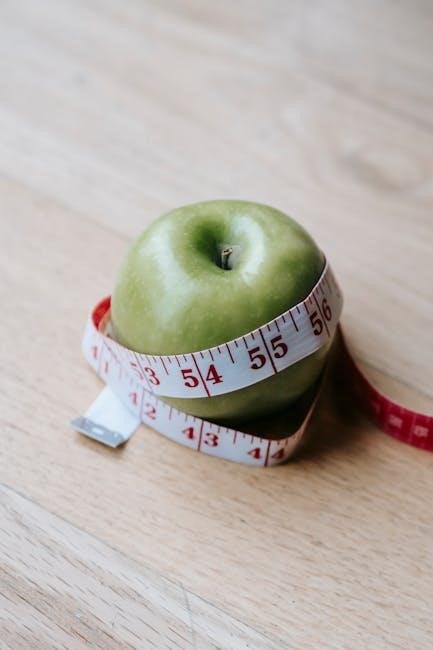
Mastering portion sizes is fundamental to successful weight loss, regardless of your dietary approach. Even healthy, pescatarian-friendly foods can contribute to weight gain if consumed in excess. Utilize smaller plates and bowls to visually manage your portions, and be mindful of serving sizes listed on food labels.
Pay attention to your body’s hunger and fullness cues, stopping when you feel satisfied, not stuffed. Pre-portioning snacks and meals can prevent mindless eating. A helpful technique is to fill half your plate with non-starchy vegetables, a quarter with lean protein (fish or legumes), and a quarter with whole grains. Consistent portion control ensures you create a calorie deficit without feeling deprived.
Meal Prepping Strategies
Effective meal prepping is a cornerstone of a successful pescatarian weight loss plan. Dedicate a few hours each week to prepare ingredients or complete meals in advance, saving time and reducing the temptation to make unhealthy choices during busy weekdays.
Focus on prepping protein sources like baked salmon or pre-cooked quinoa and roasted vegetables. Portion out snacks into individual containers. Utilize airtight containers for optimal freshness. Batch cooking soups, stews, or fish curries is also efficient. Having pre-prepared meals readily available streamlines healthy eating and supports consistent adherence to your weight loss goals, minimizing impulsive decisions.
Sustainable Seafood Choices
Prioritizing sustainably sourced seafood is crucial for both environmental health and ensuring long-term availability. Opt for fish species with healthy populations and minimal bycatch. Resources like the Monterey Bay Aquarium’s Seafood Watch guide provide excellent recommendations, categorizing seafood based on sustainability.
Consider locally sourced options whenever possible, reducing transportation impacts. Explore lesser-known, yet sustainable, species. Look for certifications like the Marine Stewardship Council (MSC) label. Making informed choices supports responsible fishing practices and safeguards marine ecosystems, aligning your diet with ethical and environmental values while enjoying the benefits of seafood.
Potential Challenges and How to Overcome Them
Navigating a pescatarian diet requires awareness of potential nutrient gaps and mindful fish consumption. Careful planning and diverse food choices are key to success.
Ensuring Adequate Nutrient Intake
Maintaining a well-rounded nutritional profile is crucial on a pescatarian diet, particularly when aiming for weight loss. While fish provides excellent protein and omega-3 fatty acids, attention must be paid to other essential nutrients. Iron, often abundant in red meat, requires conscious sourcing from plant-based options like legumes and fortified grains.
Vitamin B12, primarily found in animal products, may necessitate supplementation or consumption of fortified foods. Calcium and Vitamin D, vital for bone health, should be obtained through dairy (if included), leafy greens, and potentially supplements. A diverse intake of fruits, vegetables, and whole grains ensures adequate fiber, vitamins, and minerals. Regularly assessing your diet and consulting with a healthcare professional can help identify and address any potential deficiencies, guaranteeing optimal health and sustained energy levels throughout your weight loss journey.
Avoiding Overconsumption of Fish
While fish is a cornerstone of the pescatarian diet, moderation is key to avoid potential health concerns. Certain fish species can contain higher levels of mercury, a neurotoxin, and persistent organic pollutants. Regularly consuming large quantities of these fish could pose risks. Prioritize variety, incorporating both fatty and lean fish, and adhere to recommended serving sizes – typically 3-4 ounces per meal.
Focus on sustainably sourced options to minimize environmental impact and ensure responsible fishing practices. Balancing fish intake with ample plant-based proteins like legumes and tofu prevents over-reliance on a single food group. Being mindful of portion sizes and fish types supports a healthy and sustainable pescatarian lifestyle, maximizing benefits while minimizing potential drawbacks.
Dining Out as a Pescatarian
Navigating restaurant menus as a pescatarian requires a bit of planning and clear communication. Many restaurants readily accommodate dietary preferences, but it’s helpful to review the menu online beforehand to identify suitable options. Don’t hesitate to ask your server about ingredient lists and preparation methods, specifically inquiring about hidden meat-based broths or sauces;
Focus on dishes featuring fish, seafood, or plant-based proteins. Request modifications, such as substituting fish for meat in a pasta dish or opting for a vegetarian entree with added seafood. Be mindful of fried foods and heavy sauces, which can detract from your weight loss goals. Proactive communication ensures a satisfying and aligned dining experience.