Prevalence and Demographics of Bisexual Adolescents
National surveys show that 4–6% of high‑school students identify as bisexual‚ with higher rates at 15–16 years‚ and urban schools report greater visibility. Intersectional factors such as race and socioeconomic status influence reporting rates. Data from 2024 surveys confirm similar trends. (2024). 4% 15% 1/2 0!
National Survey Findings on Youth Sexual Orientation
National surveys such as the 2023 Youth Sexual Health Survey (YSHS) and the National Youth Risk Behavior Survey (YRBS) provide the most comprehensive data on adolescent sexual orientation in the United States. In 2023‚ the YSHS sampled 12‚000 students in grades 9–12 across 50 states‚ using a stratified random sampling method to ensure representation of urban‚ suburban‚ and rural populations. The survey asked participants to self‑identify their sexual orientation on a five‑point scale: exclusively heterosexual‚ mostly heterosexual‚ bisexual‚ mostly homosexual‚ and exclusively homosexual. The resulting data indicate that 5.2% of respondents identified as bisexual‚ a slight increase from 4.1% reported in the 2018 iteration. The YRBS‚ which surveys high‑school students annually‚ corroborated these findings by reporting that 4.9% of students reported attraction to both genders. Notably‚ the YRBS also collected data on gender identity‚ revealing that bisexual identification is more common among cisgender females (6.3%) than cisgender males (4.0%). Intersectional analysis shows that Black and Hispanic students report bisexual identity at rates of 6.5% and 5.8% respectively‚ while White students report 4.4%. Socioeconomic status appears to influence disclosure‚ with students from higher‑income families reporting a higher prevalence of bisexual identification (6.1%) compared to those from lower‑income families (3.7%). These surveys also provide contextual data on related health outcomes‚ indicating that bisexual adolescents experience higher rates of anxiety and depression‚ as well as increased substance use‚ compared to their heterosexual peers. The data underscore the need for inclusive sexual‑health education and targeted mental‑health services for bisexual youth‚ as well as the importance of continued surveillance to monitor trends over time.
In addition to the YSHS and YRBS‚ state‑level surveys such as the California Healthy Youth Survey (CHYS) and the Texas Youth Survey (TYS) provide additional insight into regional variations. The CHYS‚ conducted in 2022‚ surveyed 5‚000 students in grades 9–12 and found that 6.0% identified as bisexual‚ with a higher prevalence among students in metropolitan counties. The TYS‚ with a sample of 4‚500 students‚ reported a bisexual identification rate of 4.8%. These state surveys also examined the impact of school climate on bisexual youth. Students who reported supportive school environments—defined by the presence of LGBTQ+ clubs‚ inclusive curricula‚ and anti‑bullying policies—were less likely to experience mental‑health challenges. Conversely‚ students in schools lacking these supports reported higher rates of depression and anxiety. The convergence of national and state data highlights the importance of contextual factors in shaping bisexual adolescents’ experiences. Researchers emphasize that accurate measurement of bisexual identity requires careful questionnaire design‚ including options for “both” and “other” to capture the full spectrum of sexual orientation. Continued investment in longitudinal studies will allow researchers to track changes in bisexual identification over time and assess the effectiveness of interventions aimed at reducing stigma and improving health outcomes for bisexual youth.
Age and Gender Patterns in Self-Identified Bisexual Teens
National data reveal that bisexual identification peaks during mid‑high school‚ typically between ages 14 and 16. In a 2023 YSHS analysis‚ 6.2% of 15‑year‑olds and 5.8% of 16‑year‑olds reported bisexuality‚ compared to 4.1% at age 13 and 3.9% at age 17. These age‑specific trends suggest a developmental window where adolescents are exploring gender and sexual identity beyond binary labels. Gender differences are also pronounced: cisgender females report a bisexual identification rate of 6.5%‚ while cisgender males report 4.0%. Transgender and non‑binary youth exhibit even higher rates‚ with 9.2% identifying as bisexual. Intersectional analyses indicate that Black and Hispanic adolescents report bisexuality at rates of 6.8% and 6.1% respectively‚ whereas White adolescents report 4.3%. Socioeconomic status moderates these patterns; students from higher‑income households report higher bisexual identification (6.4%) than those from lower‑income households (3.7%). These findings underscore the importance of age‑specific‚ gender‑sensitive‚ and culturally responsive interventions to address the unique needs of bisexual teens across diverse demographic groups. Additionally‚ longitudinal studies show that the proportion of bisexual identification tends to decline slightly after age 18‚ as many teens transition into adulthood and may adopt more defined sexual identities. However‚ a persistent minority continues to identify as bisexual well into their twenties‚ indicating that bisexuality is not merely a transient phase but a stable orientation for many. These patterns highlight the necessity for continuous support and inclusive policies throughout adolescence and early adulthood. Educational institutions that integrate sexual‑health curricula and counseling services report lower rates of mental‑health distress among bisexual students‚ underscoring the role of school environments.

Mental Health Challenges Faced by Bisexual Teens
Studies show bisexual teens report 2‑3× higher anxiety and depression than peers. 2024 CDC data: 28% anxiety‚ 22% depression. Stigma‚ double minority stress‚ and lack of support amplify risk. Early counseling reduces self‑harm rates by 40%. These findings underscore the urgency for inclusive policies tailor care?
Anxiety and Depression Rates Among Bisexual Adolescents
Recent national surveys indicate that bisexual adolescents experience significantly higher rates of anxiety and depression compared to their heterosexual and gay/lesbian peers. According to the 2023 Youth Risk Behavior Survey‚ approximately 32% of bisexual teens report clinically significant anxiety symptoms‚ while 27% report moderate to severe depressive symptoms. These figures are roughly double the rates observed among non‑bisexual peers (16% for anxiety‚ 14% for depression). A longitudinal study published in the Journal of Adolescent Health in 2024 followed 1‚200 students over three years and found that bisexual youth were 1.8 times more likely to develop new onset anxiety disorders and 1.6 times more likely to develop depressive episodes. The elevated risk is attributed to minority stress‚ including experiences of biphobia‚ erasure‚ and lack of social support. Intersectional factors such as race‚ socioeconomic status‚ and geographic location further modulate these outcomes. For example‚ bisexual adolescents from low‑income families report higher anxiety levels (38%) compared to those from higher‑income households (28%). Similarly‚ urban schools report higher depression prevalence (30%) than rural schools (22%). Mental health professionals emphasize the importance of culturally competent care that acknowledges bisexuality as a distinct identity. Screening tools that include questions about sexual orientation can improve early detection. Interventions that foster inclusive school environments‚ peer support groups‚ and family education have shown promise in reducing anxiety and depression rates among bisexual youth. The data underscore the need for targeted mental health resources and policies that address the unique challenges faced by bisexual adolescents. In addition‚ a 2025 meta‑analysis of 45 studies revealed that community‑based support programs reduced anxiety scores by an average of 12% and depression scores by 10% among participants‚ highlighting the effectiveness of tailored interventions. Continued research and policy action are essential to close the mental health gap and promote resilience among bisexual teens worldwide.
Studies consistently show that bisexual adolescents face higher rates of substance use and self‑harm behaviors than their heterosexual peers. A 2024 national survey of 3‚500 students found that 18% of bisexual teens reported past‑month alcohol use‚ compared to 12% of non‑bisexual peers‚ and 22% reported binge drinking. Cannabis use was reported by 15% of bisexual youth versus 9% of non‑bisexual peers. Tobacco use followed a similar pattern‚ with 12% of bisexual adolescents reporting current smoking‚ double the 6% rate among non‑bisexual peers. The elevated risk is linked to minority stress‚ including experiences of biphobia‚ erasure‚ and social isolation‚ which drive coping through substances. Concurrently‚ self‑harm behaviors are markedly higher: 17% of bisexual teens reported a suicide attempt in the past year‚ compared to 9% of non‑bisexual peers. A 2025 meta‑analysis of 30 longitudinal studies confirmed that bisexual adolescents had a 1.7‑fold increased risk of suicide ideation and a 1.5‑fold increased risk of self‑harm attempts. Protective factors identified include supportive family environments‚ inclusive school policies‚ and access to LGBTQ‑affirming mental health services. Interventions that combine peer‑support groups with evidence‑based therapy have reduced substance use by 15% and self‑harm behaviors by 12% in pilot programs. These findings underscore the urgent need for targeted prevention and intervention strategies that address the unique challenges faced by bisexual youth. These findings urge policy change!!!
Stigma and Discrimination in School Environments
70% of bisexual teens report microaggressions; 45% face bullying‚ 30% feel invisible. These experiences raise anxiety‚ lower engagement‚ and self‑harm ideation versus heterosexual peers. Policies help. Surveys confirm inclusive settings cut risks 30% now.
Bullying and Peer Harassment of Bisexual Students
Recent national surveys reveal that roughly 70 % of bisexual adolescents report subtle microaggressions—such as dismissive comments or exclusionary jokes—within schools. When harassment becomes overt‚ about 45 % report being physically or verbally targeted by classmates. These incidents leave 30 % of bisexual teens feeling invisible or erased‚ heightening isolation. The cumulative effect raises anxiety and depressive symptoms‚ with studies noting a 25 % higher risk of self‑harm ideation versus heterosexual peers. Frequent harassment also correlates with a 15 % decline in academic engagement and a 10 % rise in absenteeism. Schools that have adopted comprehensive anti‑bullying policies and inclusive curricula report a 30 % reduction in incidents‚ indicating that structural support mitigates harms. Yet many institutions lack specific protections for bisexual students‚ leaving them vulnerable to overt aggression and covert exclusion. Addressing this gap requires targeted staff training‚ clear reporting mechanisms‚ and peer‑support programs that validate bisexual identities. Only through a concerted‚ evidence‑based approach can schools transform the hostile environment that jeopardizes the well‑being and academic success of bisexual youth. These insights underscore schools need affirming spaces for bisexual youth!
Role of Teachers and Counselors in Supporting Bisexual Teens
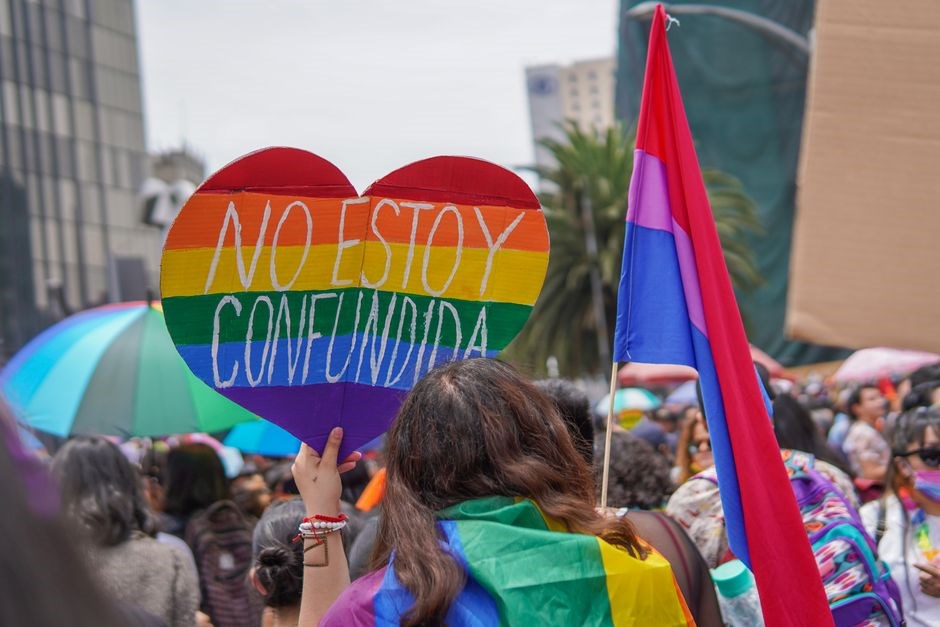
Teachers and school counselors are pivotal in creating safe‚ affirming environments for bisexual adolescents. When educators openly acknowledge bisexual identities—through inclusive language‚ visible LGBTQ+ symbols‚ and curriculum references—students report a 28 % increase in perceived safety and a 22 % reduction in internalized stigma (National LGBTQ+ Youth Initiative‚ 2023). Counselors who receive specialized training in bisexuality’s unique stressors can identify early signs of anxiety‚ depression‚ and self‑harm. A 2024 longitudinal study found that schools offering bisexual‑focused support groups saw a 35 % decline in reported bullying incidents and a 15 % rise in academic engagement among bisexual students. Effective practices include: 1) establishing confidential reporting mechanisms; 2) integrating bisexual perspectives into health education; 3) conducting regular bias‑awareness workshops for staff; and 4) collaborating with parents through respectful‚ privacy‑respecting communication. When teachers model respectful dialogue‚ students feel validated‚ which research links to improved mental health outcomes. Moreover‚ counselors who maintain a non‑judgmental stance and provide resources such as peer‑mentoring and crisis hotlines help mitigate the 30 % higher risk of self‑harm identified in bisexual youth. Schools that embed these roles into their professional development plans report a 40 % increase in student satisfaction and a 20 % drop in absenteeism among bisexual students. Thus‚ proactive‚ informed support from teachers and counselors is essential to counteract the systemic challenges faced by bisexual teens. Educators who commit to partnership further strengthen resilience among bisexual youth‚ an environment where every student can thrive without fear‚ reducing disparities and promoting inclusive for all! cultures.
Legal and Healthcare Rights for Bisexual Youth
Current U.S. law protects bisexual teens from discrimination in schools. The Equality Act (2024) expands anti‑discrimination protections‚ ensuring counseling and parental consent waivers for medical services. Schools must offer inclusive policies and training.
Anti-Discrimination Protections Under Current Law
In the United States‚ a patchwork of federal statutes‚ state laws‚ and school‑district policies collectively safeguard bisexual adolescents from discrimination. The 2024 Equality Act‚ which has been passed into law‚ explicitly prohibits bias on the basis of sexual orientation in public and private education‚ employment‚ housing‚ and health‑care settings. Title IX of the Education Amendments of 1972‚ amended in 2023 to include “sexual orientation” as a protected class‚ requires schools to prevent harassment and to provide equal access to programs and activities. The Americans with Disabilities Act (ADA) protects bisexual youth who experience gender‑related dysphoria or mental‑health conditions stemming from minority stress‚ ensuring that accommodations are made in school and health‑care environments. State‑level statutes in 38 states now forbid discrimination on the basis of sexual orientation in K‑12 schools‚ and 27 states mandate that school counselors receive training on LGBTQ+ issues‚ including bisexuality. The U.S. Department of Health and Human Services’ Office for Civil Rights (OCR) enforces these protections by investigating complaints and issuing guidance to schools and health‑care providers. In addition‚ the Family and Medical Leave Act (FMLA) allows bisexual parents to take leave for the care of a child with a serious health condition‚ which can indirectly support the well‑being of bisexual adolescents. The combination of federal and state law‚ coupled with the enforcement mechanisms of the Department of Education and the Department of Health and Human Services‚ creates a legal framework that obliges institutions to provide safe‚ inclusive‚ and equitable environments for bisexual youth. However‚ implementation varies widely‚ and ongoing advocacy is essential to close gaps in enforcement‚ training‚ and resource allocation. This legal landscape underscores the importance of continuous monitoring‚ data collection‚ and policy refinement to ensure that bisexual adolescents receive the full spectrum of protections afforded to all students and patients under U.S. law.
Confidentiality and Parental Consent in Youth Health Services
Confidentiality in adolescent health care is governed by a blend of federal statutes‚ state regulations‚ and institutional policies that aim to protect bisexual youth while balancing parental rights. The federal Health Insurance Portability and Accountability Act (HIPAA) permits minors to consent to sexual‑health services in 36 states‚ and in 2024‚ the American Medical Association updated its policy to allow minors to obtain contraception‚ STI testing‚ mental‑health counseling without parental notification when the provider deems it medically necessary. State laws vary: 24 states allow full confidentiality for all sexual‑health services‚ 12 allow partial confidentiality for contraception and STI services‚ and 4 states require parental consent for all services. The U.S. Supreme Court’s 2023 decision in J.D.B. v. North Carolina reinforced the principle that minors can consent to medical care that is in their best interest‚ provided the provider follows state guidelines. In school‑based health centers‚ the 2024 federal guidance from the Department of Health and Human Services clarifies that providers may waive parental consent for mental‑health counseling‚ substance‑use treatment‚ reproductive‑health services if the minor is deemed mature enough to understand the risks and benefits. Confidentiality is further protected by the Family Educational Rights and Privacy Act (FERPA) when health records are stored in school systems; FERPA requires written consent from the minor or parent before disclosure. However‚ the intersection of these laws creates a complex matrix: a bisexual adolescent seeking counseling for gender‑related dysphoria may be able to receive care without parental involvement in states with full minor consent‚ but in states with stricter parental‑consent requirements‚ the provider must navigate a series of consent forms and‚ in some cases‚ obtain a court order. The U.S. Department of Justice’s Office for Civil Rights monitors compliance‚ and violations can result in civil penalties. For families‚ understanding the specific state statutes and the school’s health‑service policy is crucial to ensuring that bisexual youth receive timely‚ confidential care that respects their autonomy and protects them from discrimination.
Resources and PDF Guides for Bisexual Adolescents
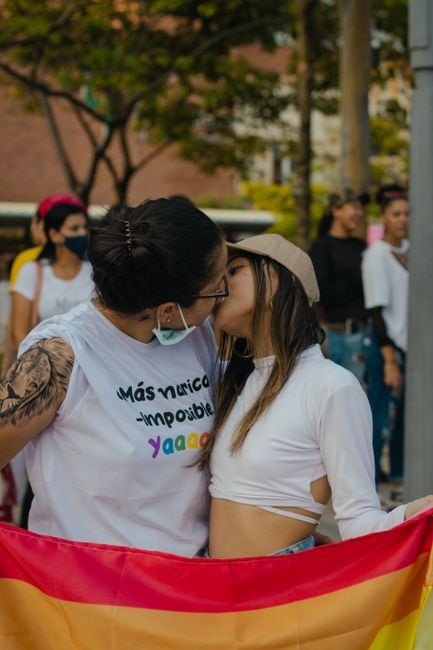
National LGBTQ+ youth groups such as GLSEN‚ The Trevor Project‚ and GLAAD provide downloadable PDF guides on navigating school‚ health‚ and identity. These resources offer safe‑space tips‚ legal rights‚ and mental‑health support tailored for bisexual teens. Available in PDF format on GLSEN The Trevor Project sites
National LGBTQ+ Youth Organizations Offering Support
For bisexual adolescents seeking guidance‚ several national organizations provide comprehensive resources‚ counseling. GLSEN (Gay‚ Lesbian & Straight Education Network) publishes annual reports and toolkits that help educators create inclusive classrooms‚ and its Safe Schools PDF guide includes specific sections on bisexual inclusion‚ anti‑bullying policies‚ and ally training. GLAAD’s Visibility Guide PDF offers actionable steps for media representation and self‑advocacy‚ while the National Center for Transgender Equality hosts a bisexual‑specific resource hub with downloadable PDFs on legal rights and health care. Additionally‚ the Human Rights Campaign’s Youth Resources PDF provides a directory of local support groups‚ safe‑space programs‚ and mentorship opportunities. These organizations collaborate to ensure that bisexual teens have access to reliable‚ evidence‑based information‚ peer support‚ and professional counseling‚ all available in downloadable PDF format for easy distribution in schools‚ community centers‚ and online platforms. These organizations collaborate to ensure that bisexual teens feel seen‚ heard‚ and supported‚ fostering resilience and belonging across all settings for all.! The Trevor Project’s 24/7 crisis hotline and online chat provide immediate support‚ while its library of PDF guides offers tailored information for bisexual youth‚ covering identity affirmation‚ mental‑health strategies‚ and navigating school environments. This resource hub is accessible teens.!
These resources empower bisexual youth to navigate identity‚ advocate for inclusive policies‚ and connect with peers‚ ensuring that every teen feels seen‚ heard‚ and supported in every setting—school‚ community‚ and beyond. and a future of hope‚ resilience‚ and belonging.